
It’s the pinnacle of the Christian faith, the thing that separates Christianity from other religions. Jesus died on the cross and then rose from the dead. Perfection submitted to the death of a criminal. The sinless for the sinner, the betrayed for the accusers. When considered, the idea that God would come to earth as a man, that the Creator would enter his fallen Creation to rescue it from the curse of death, is extraordinary.
Yet somehow this seems humdrum to our ears. For kids who have grown up in the church, this story sounds “boring” and even for kids who only go to church on Easter, it’s easy for them to parrot back the idea, without feeling it resonate. So how do we retell this story and capture the magnitude of this moment?
I would argue the first step must always be prayer. That God would open the eyes of his people to the miracle of the death and resurrection of Jesus. That people would sit in the story, and not just let it glaze over their ears. Adults and children alike are desperate for this.
I think we also need to get past the idea that it’s our job to make the Bible “exciting.” The Bible is exciting and incredible. We don’t need to “spruce it up” or “make” it interesting. God works and speaks through his Word. He has for centuries, and he will continue to until he returns. The pressure isn’t on teachers. The job of teachers is to simply convey the message, it is God’s part to open hearts to his Word. With that said, here is one more way we can convey the message of the death and resurrection of Jesus with a visual.
Activity
What you’ll need:
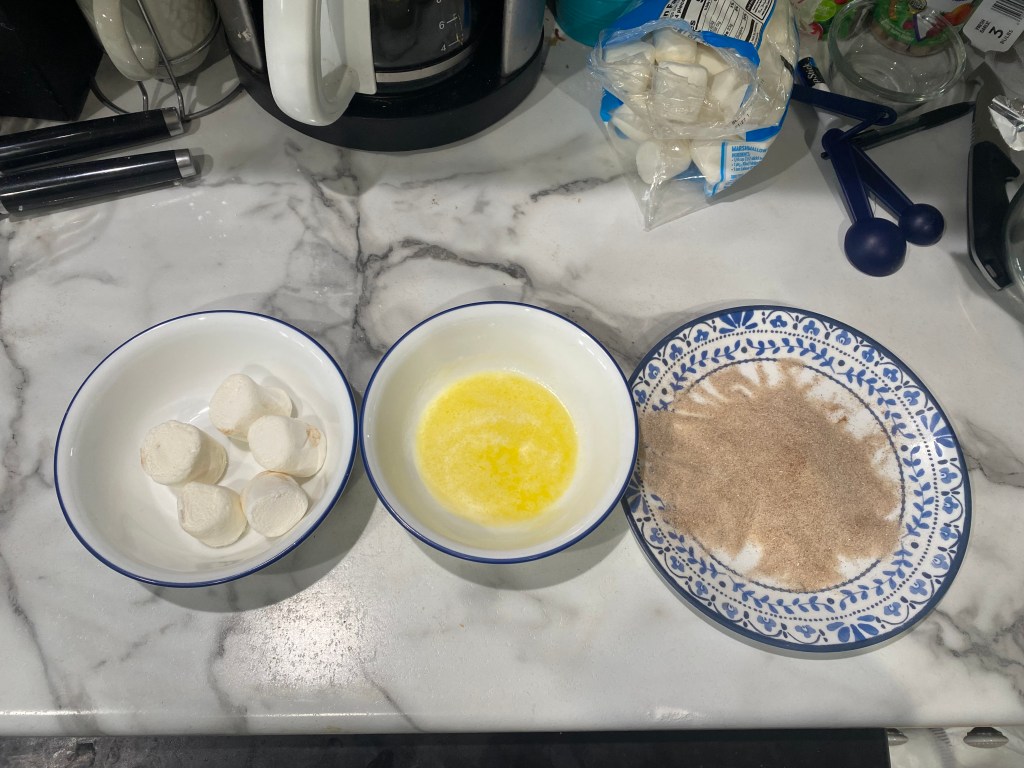
- Marshmallows
- Cinnamon-sugar mixture
- Butter
- Biscuit recipe or pre-made biscuit dough
- An oven
What You’ll Do:
- Make your dough and set it aside in the fridge
- While it’s cooling, have your kids dip the marshmallows in the butter and cinnamon sugar. As they do this, explain that after Jesus died on the cross for our sins, they took his body (the marshmallow) and wrapped it in spices and cloth (butter and cinnamon sugar), then they placed him in the tomb.
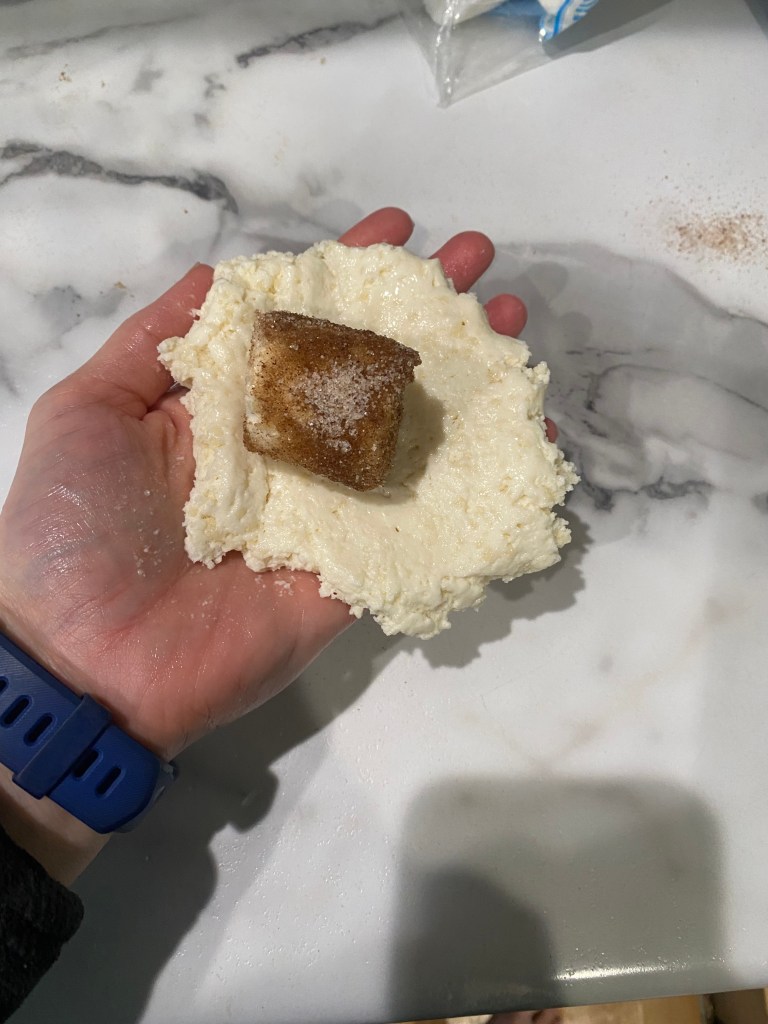
- Remove the dough (tomb) from the fridge and wrap it around your marshmallows.
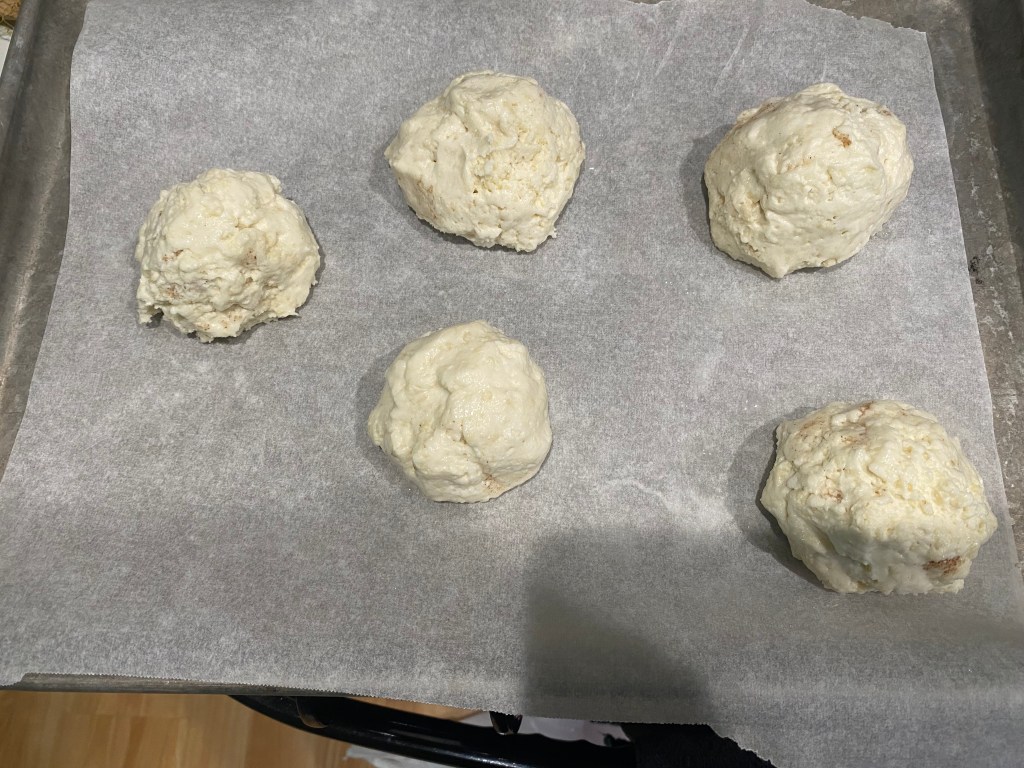
- Explain that Jesus was in the grave (oven) for three days. Place the dough in the oven and bake according to your recipe

What Happens:
- The marshmallow will melt inside the roll, leaving a hole when it comes out of the oven, also leaving the spices (graveclothes).
What Does it Mean for Me?
- While the rolls are baking, explain the importance of the death and resurrection of Jesus
- Read Mark 15 and 16 and then explain:
All of Jesus’ life and ministry led to this point. He came to die. His death was to pay the penalty for our sins. You see, the wages of sin is death (Romans 5). We are all sinners. We are all unclean, just like we learned from Mark 5. But Jesus, perfect, clean, and holy, took our sins upon him and died so we might be freed and forgiven. Romans 5 explains that sin and death entered the world through one man (Adam), but grace and life came through one man (Jesus), and by him we are saved.
The choice is ours. We can recognize our sin, our uncleanness, and fall on our knees before Jesus the Savior, confess him as Lord, believing he died for us and rose from the dead, not only to save us, but to offer us eternal life with him, beginning to change us to be more like him here and now. Or we can refuse. Jesus will not force himself on us.
As you pull out the rolls and see the empty “tomb,” decide. Will you follow Jesus, laying down your life, seeking him, learning from him, being discipled by others who know him? Or will you continue on in the darkness and emptiness of sin and this world? This is the gospel– the good news. This is the purpose of Jesus and the purpose of the book of Mark: to point you to the salvation offered through Jesus’ death and resurrection, to show you the hope found in him alone, and the joy and peace found in being made right before God by the sacrifice of Jesus. The choice is yours, dear friends. I pray you choose life.
Other Free Resources
If you would like help explaining the good news of Jesus found in the Gospel of Mark to your kids, check out Come and See: A Kid’s Companion to the Gospel of Mark.
- This is a beginner commentary, helping first-time Bible readers understand the culture and history of the Bible, while explaining hard-to-define words in a conversational style. Meant to be read aloud by parents to their children or read alone by children ages 12 and up, depending on reading levels.
Click here for Free Sunday School Lessons that involve objects lessons and STEAM activities.
Click here for other free Kid’s Bible Study Resources.
 Katie the Sunday School Lady
Leave a comment